
Regulations for Real Estate Drone Photography
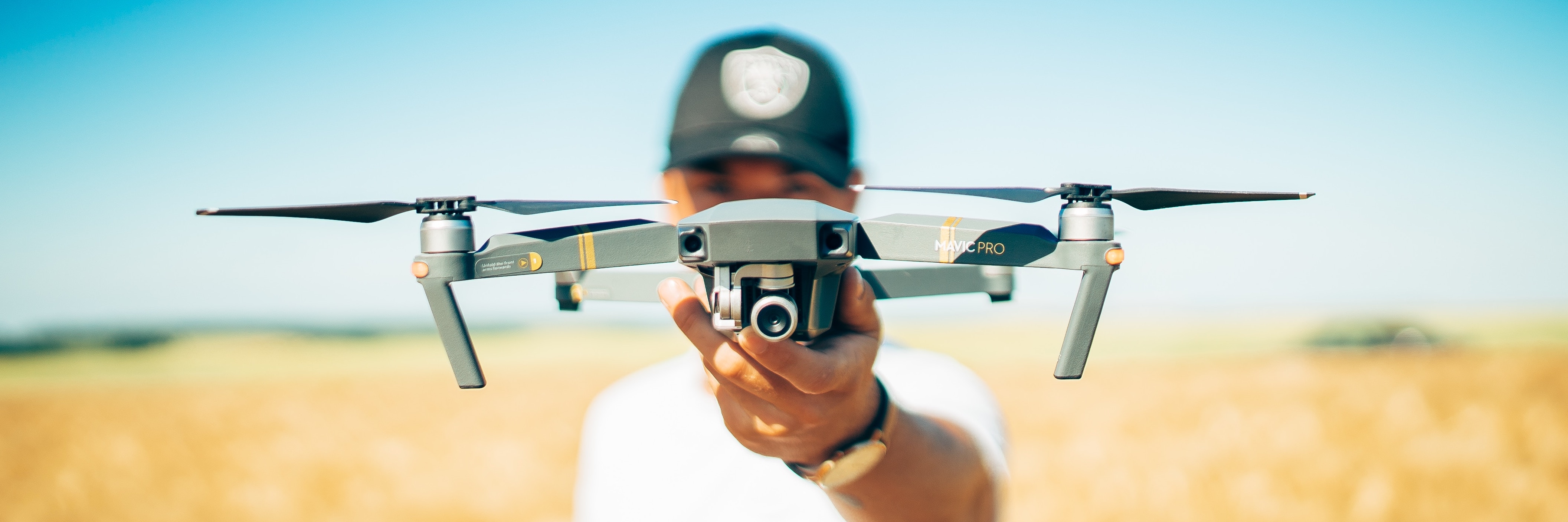
Real estate drone photography is on the rise. Real estate drones are being used to capture high-resolution images and video footage of listings across the country. A real estate drone, also called an unmanned aerial vehicle (UAV), can transform any Realtor’s marketing strategy.
But what does it take to get in on the drone game? Agents need to consider if they want to outsource or purchase a drone for themselves. Then ensure their real estate drone photography and videography efforts comply with flying and safety laws. Fortunately, it isn’t as complicated as it seems. Check out what it takes to fly and use images captured by real estate drones for commercial use.
Outsource vs. In-House
The first consideration for a real estate agent is whether to outsource this work to a third-party aerial photographer or to accomplish the work in-house.
Outsourcing is a viable option for those agents that can afford to hire the services; however, it can be expensive. Typical fly-around drone flights can cost a few hundred dollars. Finished professionally-edited video presentations may cost $1,000 or more. These amounts mount up quickly, especially if the real estate agent is very active with multiple listings.
The ROI for any of the best real estate drones is easy to see. Taking drone photos and videos is actually not that difficult. Technology has come a long way and most drones for real estate are user-friendly. Agents may find that it is beneficial to do drone photography and videography themselves to save money and be able to use this technology to create more presentations.
What it Takes to Fly a Real Estate Drone
For agents that decide to do real estate drone photography in-house, there are some important steps to follow.
1. Drone Selection: Drones are chosen based on the type of shots desired. We have compiled a list of the best real estate drones, here.
2. FAA Registration: All drones used for hobby or commercial purposes that weigh over 8.8 ounces (250 grams) must be registered with the Federal Aviation Administration (FAA).
3. Flight Training: Drone pilots can be self-taught or learn to fly under the supervision of a training instructor.
4. Pilot Certificate: To fly drones commercially, agents must take and pass a written test and paying an FAA fee to get a pilot’s Certificate for a small unmanned aircraft system.
5. Property Filming: To film a property be sure to check to see if you can legally fly over the property and get permission from the owner.
But agents should not be deterred by these five steps. The buy-in is actually pretty low and the test is very easy. We will explore each of the steps, below.

Real Estate Drone Selection
Any real estate drone should include:
Excellent Camera Quality: Eight megapixels or more for still images and 4k UHD for video capture.
Live-Video Streaming: This gives the operator a first-person view of what the drone sees.
Ease-of-Use: Good features are automatic takeoffs/landings, level flying, and one-button return home.
Flight Time: Longer flight times require fewer battery changes.
Safety Features: These include obstacle detection, collision avoidance, and GPS positioning.
We have also compiled a list of our favorite real estate drones for 2019.
FAA Registration
FAA registration is very easy. Simply go to the FAADroneZone website, fill out the online application, and then pay the small fee. The registration for a three-year registration is only $5 (as of December 2018). The FAA website will give you a unique identifying number that needs to be put on the registered drone. The number can be affixed to the UAVs as a label or just written on the side with a permanent marker in large enough text to make it visible.
This FAA registration number can help recover a lost or stolen drone. It also makes the owner responsible for the flying of the registered drone. If it crashes or breaks the law, the FAA will know who the owner is by this registration number.
Flight Training
Before you employ your new drone for commercial purposes you are allowed to fly it as a hobby without needing a pilot’s certificate. As long as you are not collecting compensation, you are good to go. This is a good time to fire up the drone and practice flying. While practicing, you will be flying under an FAA exemption from having a pilot’s certificate found in Rule 336. It is a good idea to review the this FAA rule before practicing.
The FAA Rule 336 regulations require:
- Fly in an area that permits drone flying and not in a No Drone Zone. There is a downloadable smartphone app called B4UFLY that helps determine any restrictions for the area where you are thinking about flying.
2. Only fly for recreational purposes.
3. Follow all safety guidelines from the FAA, the state, and the local area.
4. Fly only in uncontrolled (not restricted) airspace.
5. Always fly below 400 feet altitude.
6. Always be able to see your drone without using any aids to view it, such as binoculars.
7. Never fly a drone close to other aircraft.
8. Give the right-of-way to any piloted aircraft.
9. Never fly within five miles of any airport or restricted airspace.
10. Do not fly over groups of people, such as at an event or a stadium.
11. Do not interfere with any efforts of emergency response personnel or equipment.
Pilot’s Certificate
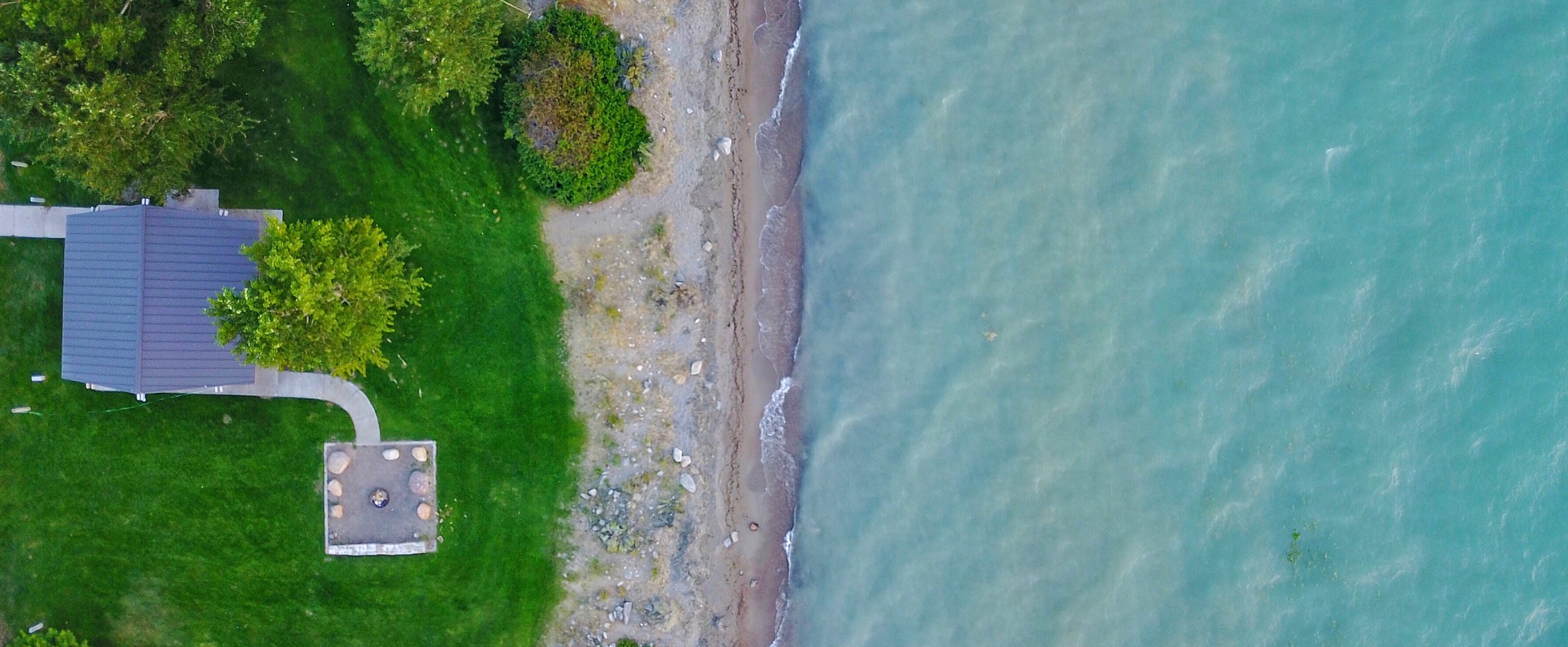
To fly a drone commercially (for real estate drone photography) you will need to get a pilot’s certificate and fly under Part 107 FAA regulations that specifically pertain to commercial-drone flying.
The pilot’s certificate, issued by the FAA, is officially called a Certificate for the Operation of a Small Unmanned Aircraft System (sUAS). Commercial flying of a drone includes any activity with the drone that causes compensation.
In other words, you will need to get one in order to use the drone for listings.
To get this certificate, any drone user reviews the written materials, pays a fee of around $100 to an FAA-authorized testing center, takes the written test, and passes it. Then, the FAA issues the pilot’s certificate that is good for two years. To renew the license, the drone user simply takes a recurrent test. The FAA gives detailed information about getting a linsence on its website in a section called “How to Become a Drone Pilot.”
It is intuitive, simple, and easy to study for on the FAA website.
Property Filming
Once an agent has their drone license, they are ready to take drone photos and videos for listings. Get permission in writing from the property owner for a fly-over. A free copy of a drone agreement is available for download. Make a set appointment. Arrive on time and inform the owner when you are going to start.
It is a good idea to tell the neighbors what you are doing and get their written permission as well if you need to fly over their property. This will help avoid any legal troubles or any suspicion that you are violating the anti-spying laws that exist in most states. If you videotape a person in an unauthorized way by accident, immediately erase the footage and do not use it for anything.
For a free release form to give to clients, visit Drone U.

State and Local Laws
Besides following the FAA rules that apply to anywhere in America, you may also need to check if any state or local laws apply to real estate drone photography in the areas where your listings are located.
The state laws are constantly changing. So be sure to check your area. However, Drone U offers a free list of drone regulations by state.
Conclusion
Real estate drone photography and videography is a great way to make listings look amazing. Whether you choose to outsource or fly a drone yourself, drones add a lot to any agent’s marketing strategy. By simply following a few simple steps, agents can get in the drone game now.
Bonus Tip:
To show off any real estate drone photography, virtual tours, listing videos, and more check out a free account with Single Property Sites. The media showcase allows agents to show off all their listing materials and media in one place.


Great Article! I just got my FAA Part 107 and trying to get into the market as a Aerial Photographer. Please checkout our site at http://www.silasandmooremedia.com . Thank you in advance and Happy New Year!
Way to go, Sean!